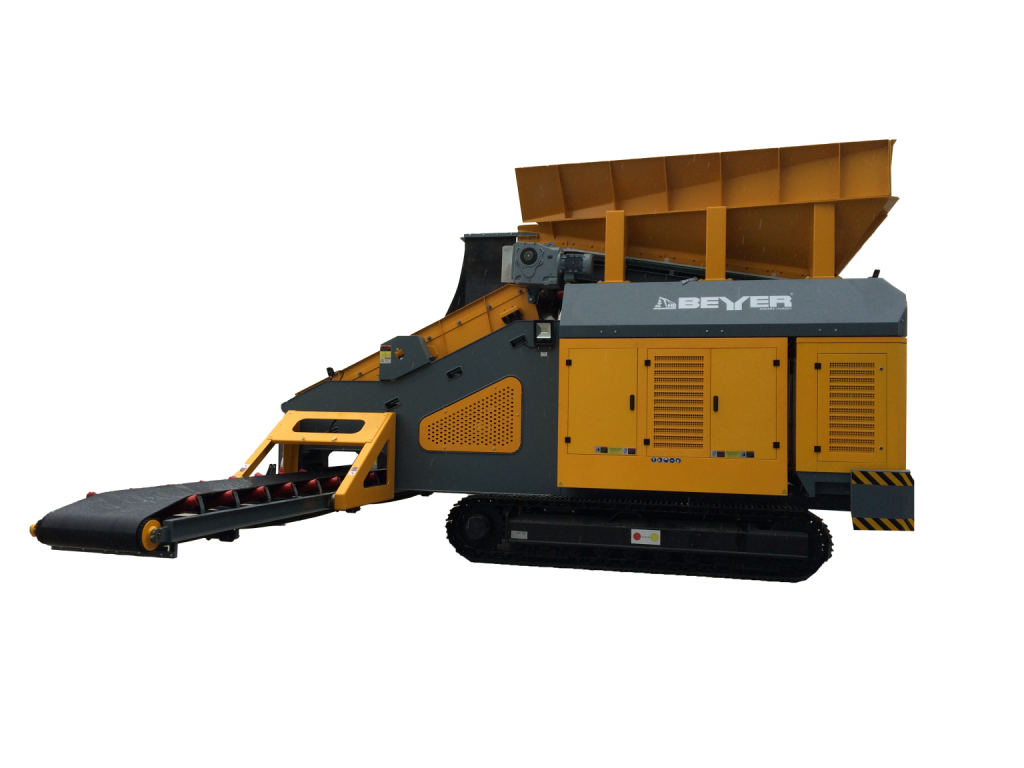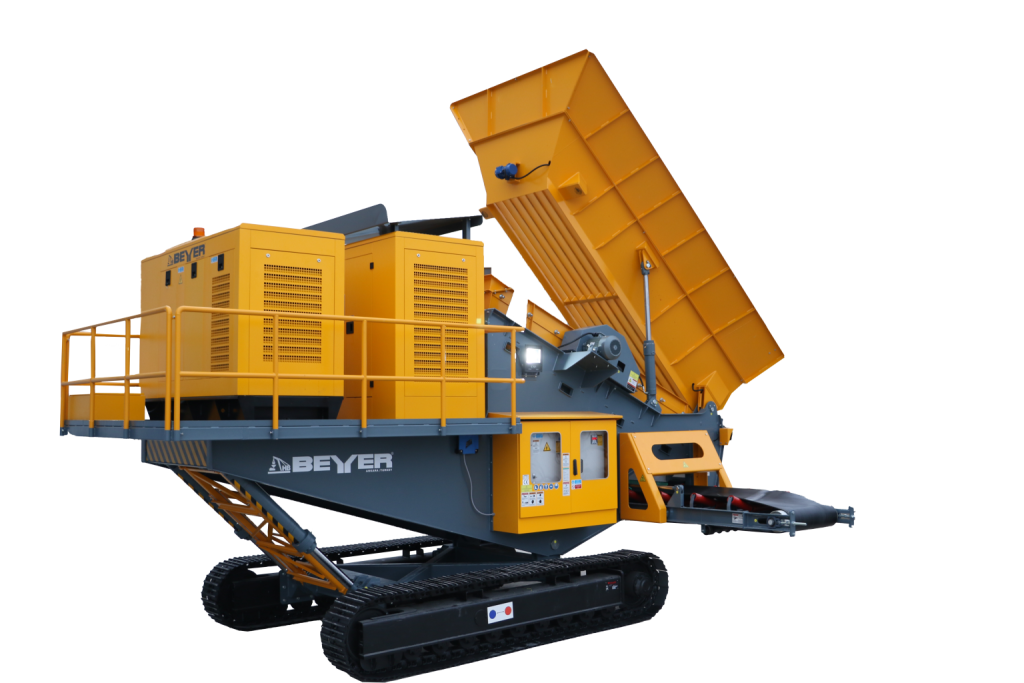
Padding machine is a highly efficient and mobile equipment designed to screen and process excavated soil for reuse in backfilling and pipeline protection applications. By separating fine materials from rocks and debris directly on-site, it eliminates the need for additional imported materials and reduces transportation costs. Widely used in pipeline, construction, and energy projects, padding machines improve operational efficiency, enhance material quality, and support sustainable practices by minimizing waste and environmental impact.
A padding machine is a specialized equipment used to screen, separate, and reuse excavated soil and materials for backfilling and pipeline protection. Unlike traditional methods, padding machines process material directly on-site, eliminating the need for additional aggregate transportation.
This machine is especially critical in pipeline construction projects, where properly processed padding material is required to protect pipes from damage. By transforming excavated soil into suitable backfill material, padding machines significantly improve efficiency, reduce waste, and lower operational costs.
Operate through a screening and separation mechanism. Excavated material is fed into the machine, where it is filtered and sorted to remove large rocks and debris. The refined material is then transferred via conveyor belts for immediate reuse.
Key components include:
-Feed hopper
-Screening system (rotary drum or vibrating screen)
-Conveyor belts
-Diesel or electric power unit
-Control system
-Track-mounted mobility system
Modern padding machines are equipped with advanced automation systems, allowing operators to control performance, monitor output quality, and increase operational efficiency.
They are widely used in several industries, especially where material handling and reuse are critical.
Pipeline Construction:
Used to prepare padding material for protecting oil, gas, and water pipelines.
Oil & Gas Industry:
Essential for trench backfilling and ensuring pipeline safety.
Infrastructure Projects:
Used in road, utility, and large-scale construction projects.
Renewable Energy Projects:
Applied in solar and wind farm installations for cable protection.
Recycling and Material Recovery:
Helps reuse excavated soil, reducing waste and material costs.
Padding machines contribute significantly to sustainable construction practices.
Positive Impacts:
-Reduces the need for external material supply
-Minimizes transportation and carbon emissions
-Promotes reuse of excavated materials
-Decreases environmental footprint of projects
Negative Impacts:
-Dust generation during operation
-Noise pollution
-Fuel consumption in diesel-powered models
However, modern padding machines include dust suppression systems and eco-friendly engines to reduce environmental impact.
Padding machines offer major operational and economic benefits:
On-Site Processing:
Eliminates the need for transporting materials.
Cost Reduction:
Lowers expenses related to logistics and material purchase.
High Efficiency:
Processes large volumes of material quickly.
Material Reuse:
Transforms waste into valuable backfill material.
Mobility:
Easily moves along pipeline routes.
Time Saving:
Accelerates project timelines.
Despite their advantages, padding machines also have some limitations:
Initial Investment Cost:
High upfront purchase cost.
Maintenance Needs:
Regular servicing is required for continuous performance.
Material Limitations:
Not all soil types are suitable for processing.
Operator Skill Requirement:
Requires trained personnel for optimal use.
Fuel Costs:
Diesel models can increase operational expenses.
Technology continues to evolve rapidly.
Key innovations include:
-Hybrid and electric-powered machines
-Smart control and automation systems
-Real-time monitoring technologies
-Improved screening efficiency
-Low-emission engine designs
Future developments will focus on sustainability, energy efficiency, and automation, making padding machines even more environmentally friendly and productive.
Padding machines are not limited to traditional pipeline projects and can be used in innovative ways:
Large-Scale Pipeline Projects:
Optimizes material usage across long distances.
Urban Infrastructure Projects:
Reduces waste in city construction.
Temporary Work Sites:
Ideal for projects requiring flexible equipment.
Cable Installation Projects:
Ensures safe bedding for underground cables.
Sustainable Construction:
Supports eco-friendly project management by minimizing waste and transport.
Padding machines are essential equipment in modern pipeline, construction, and infrastructure projects. Their ability to process and reuse materials on-site makes them highly efficient, cost-effective, and environmentally beneficial.
Although they require investment and maintenance, their long-term advantages far outweigh the drawbacks. With ongoing technological advancements, padding machines are becoming smarter, greener, and more powerful—making them a key solution for future construction and energy projects.

Evortle designs and manufactures high-quality mobile crushers, screeners and recycling plants engineered for reliable, high performance worldwide.
Saray, Nazım Ercan Blv Keresteciler Sanayi Sitesi No:36, 06980 Kahramankazan/Ankara
+90 0312 815 14 59